Smart Thermostats and Their Benefits Explained
The wall thermostat serves as the control center for the entire heating and cooling system. Older properties often rely on a basic manual thermostat, which only changes settings when someone stands in front of it and adjusts the dial or buttons. A modern smart thermostat moves beyond that simple approach with sensors, connectivity, and automation that help equipment run more efficiently and keep indoor temperatures steadier. This overview explains how smart thermostats work, the main advantages of upgrading, and clues that a new thermostat installation may be the right move.
What Is a Smart Thermostat?
A smart thermostat is an advanced temperature control device that connects to a home network and often to a smartphone app. Instead of relying only on manual adjustments, the device can be monitored and controlled remotely, whether someone is in the next room or away from the house. Many models provide detailed information about run times and temperature trends.
Compared with a simple manual thermostat or a basic programmable thermostat, a smart unit typically offers more flexible scheduling, occupancy sensing, and integration with other smart home equipment. Some devices learn preferred temperature patterns over time and automatically fine‑tune settings. The result is a control system designed to reduce wasted operation while still maintaining comfortable living spaces.
Benefits of Smart Thermostat Installation
 Smart thermostat installation can deliver noticeable improvements in comfort and operating costs. More accurate sensors and smarter scheduling features help reduce heating and cooling when rooms are empty, which supports better overall energy efficiency. Remote access makes it easier to adjust temperatures during vacations, workdays, or changing seasons, so equipment does not run at full output when it is not needed.
Many smart thermostats also generate usage reports and send alerts about unusual behavior, dirty filters, or potential issues with the heating and cooling system. These insights encourage timely maintenance and can extend equipment life. Taken together, these benefits often mean lower utility bills, more consistent temperatures, and a system that feels easier to manage day to day.
Signs to Replace a Thermostat
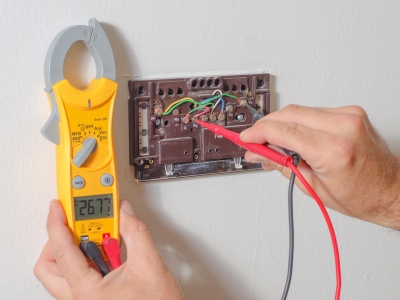 Even the best device eventually wears out or falls behind newer technology. Several warning signs suggest that thermostat replacement should be considered. Common clues include frequent temperature swings, an unresponsive screen, buttons that no longer register, or a display that keeps fading or shutting off. A heater or air conditioner that refuses to start or stop when settings appear correct can also point to a failing control.
Older thermostats that cannot communicate properly with high‑efficiency equipment, lack modern safety features, or lose programmed schedules are additional candidates for an upgrade. Ignoring these symptoms can lead to higher energy use, uneven comfort, and added strain on furnaces and air conditioners. Professional thermostat installation ensures correct wiring, placement, and setup so that a new smart thermostat can operate as designed and deliver reliable performance.
About Jeffrey Burke Plumbing, Heating & Cooling
With upfront pricing and knowledgeable technicians, it’s easy to see why Jeffrey Burke Plumbing, Heating & Cooling consistently ranks high on Google for customer service and satisfaction. Their trusted team ensures that every call gets answered and provides upfront pricing and dependable work. Call them today for smart thermostat installation in Bound Brook, NJ.